Sqlalchemy Sqlite Datetime
It’s easy to feel scattered when you’re juggling multiple tasks and goals. Using a chart can bring a sense of order and make your daily or weekly routine more manageable, helping you focus on what matters most.
Stay Organized with Sqlalchemy Sqlite Datetime
A Free Chart Template is a useful tool for planning your schedule, tracking progress, or setting reminders. You can print it out and hang it somewhere visible, keeping you motivated and on top of your commitments every day.
Sqlalchemy Sqlite Datetime
These templates come in a variety of designs, from colorful and playful to sleek and minimalist. No matter your personal style, you’ll find a template that matches your vibe and helps you stay productive and organized.
Grab your Free Chart Template today and start creating a more streamlined, more balanced routine. A little bit of structure can make a huge difference in helping you achieve your goals with less stress.

python - Why sqlalchemy insert "?" value in sqlite? - Stack Overflow
The CamelCase datatypes The rudimental types have CamelCase names such as String Numeric Integer and DateTime All of the immediate subclasses of TypeEngine are CamelCase types The CamelCase types are to the greatest degree possible database agnostic meaning they can all be used on any database backend where they will behave in such a way as appropriate to that overridden in sqlalchemy.dialects.sqlite.pysqlite._SQLite_pysqliteTimeStamp Return a conversion function for processing result row values. Returns a callable which will receive a result row column value as the sole positional argument and will return a value to return to the user.

Mike Driscoll on Twitter: "Earlier today I showed you how to use #Python to work with SQLite databases. Now let's find out how to work with SQLite databases using SQLAlchemy in this
Sqlalchemy Sqlite Datetimeoverridden in sqlalchemy.dialects.sqlite.pysqlite._SQLite_pysqliteTimeStamp Return a conversion function for processing result row values. Returns a callable which will receive a result row column value as the sole positional argument and will return a value to return to the user. This is probably because Pandas defines a lot of its own types so the Pandas to datetime method returns one of its internal datetime types and not a real Python datetime SQLite wouldn t know how to work with the Pandas datetime Try converting those Pandas datetimes to Python datetimes before trying to save
Gallery for Sqlalchemy Sqlite Datetime

python - Association tables with multiple foreign-key relationships on one column in SQLAlchemy + SQLite - Stack Overflow
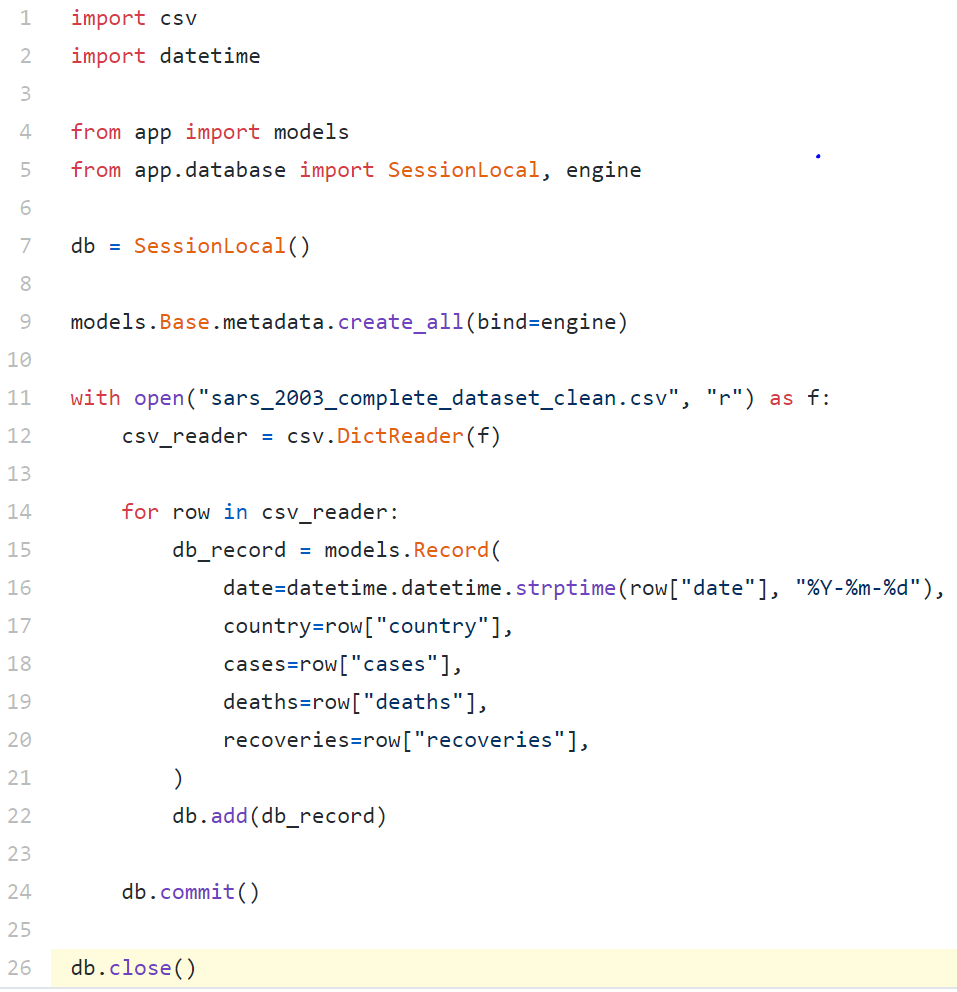
Use Flask and SQLalchemy, not Flask-SQLAlchemy! | by Edward Krueger | Towards Data Science

How to keep track of services booked by users in flask-sqlalchemy ? : r/flask

How to Use Flask-SQLAlchemy to Interact with Databases in a Flask Application | DigitalOcean
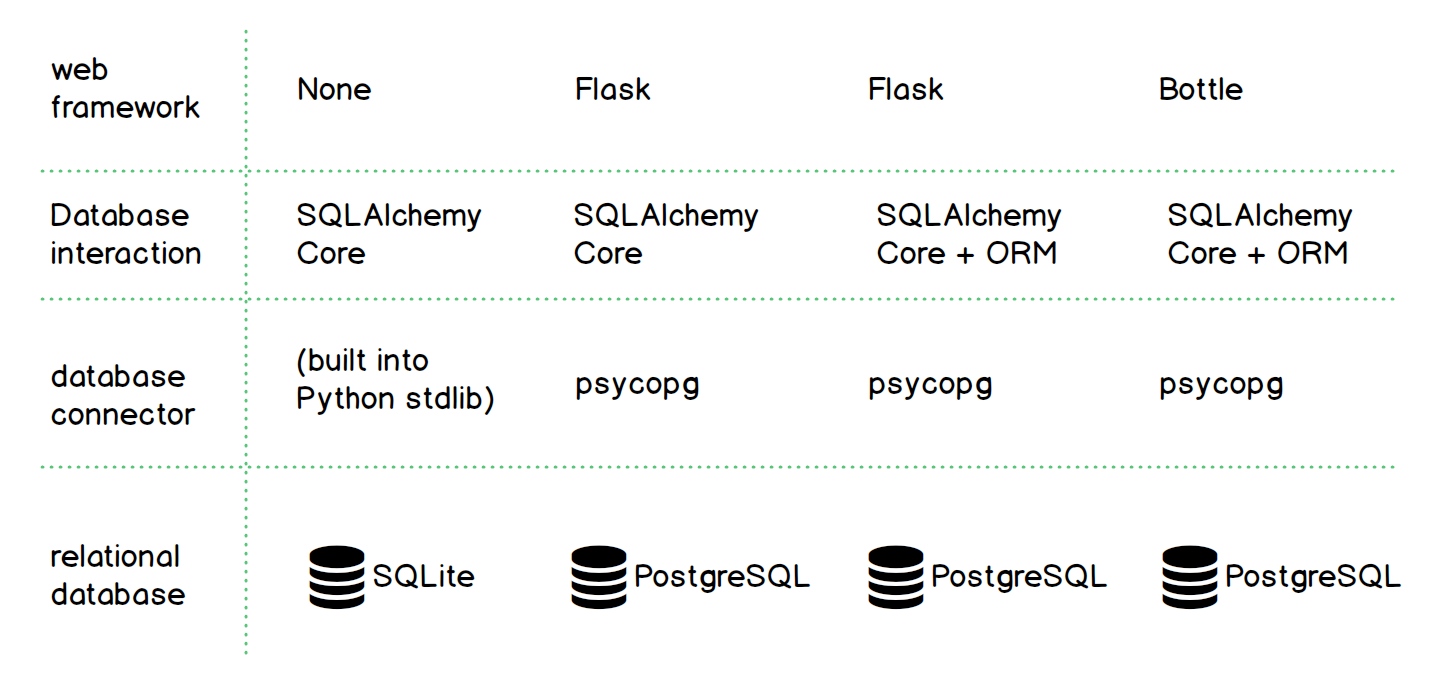
SQLAlchemy - Full Stack Python
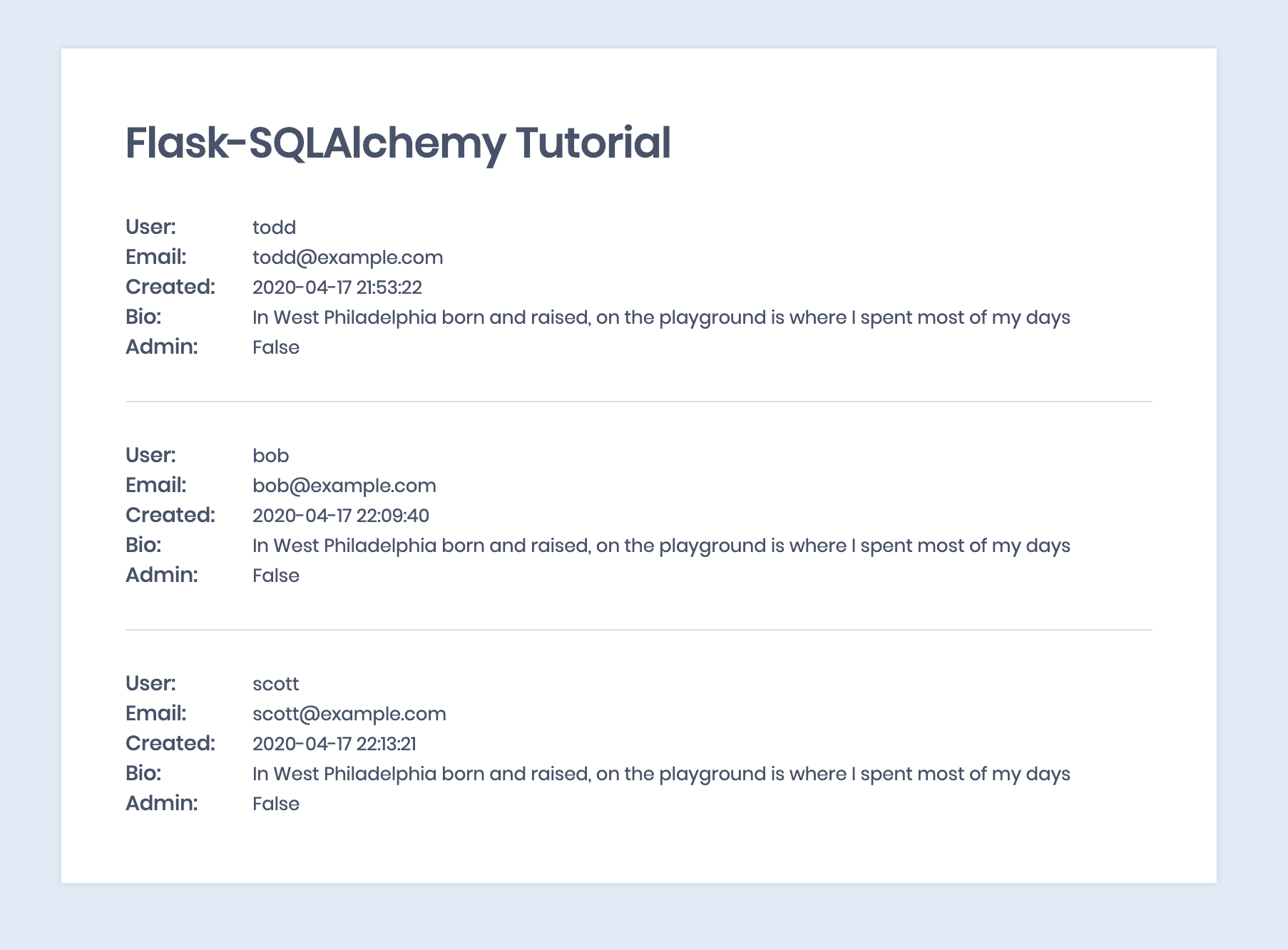
Connect Flask to a Database with Flask-SQLAlchemy
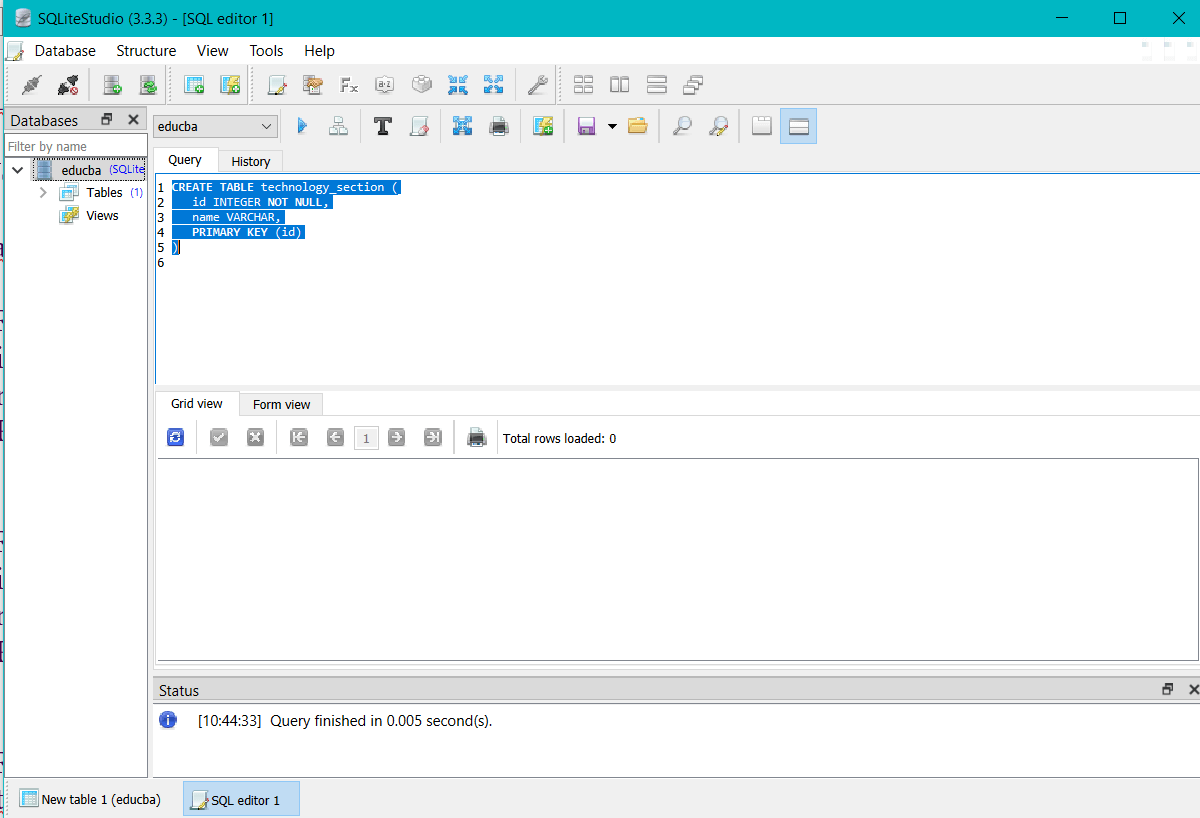
SQLAlchemy Many to Many | Create class SQLAlchemy Many to Many

Queries as Python Code with SQLAlchemy's Expression Language

Python Database Management with SQLAlchemy | by Todd Birchard | Hackers and Slackers | Medium

Define Relationships Between SQLAlchemy Data Models